
Appreciating Birds Through Their Social Worlds and Environmental Sensitivity
Birds experience the world through complex communication patterns, strong social awareness, and deep environmental sensitivity. Their emotional intelligence, vocal expression, and instinctive behaviors shape how they respond to caregivers and the spaces they inhabit. This page explores avian behavior, habitat considerations, enrichment, diet, social bonding, and long term care for a wide range of companion birds.
The Instinctive Foundations of Avian Behavior
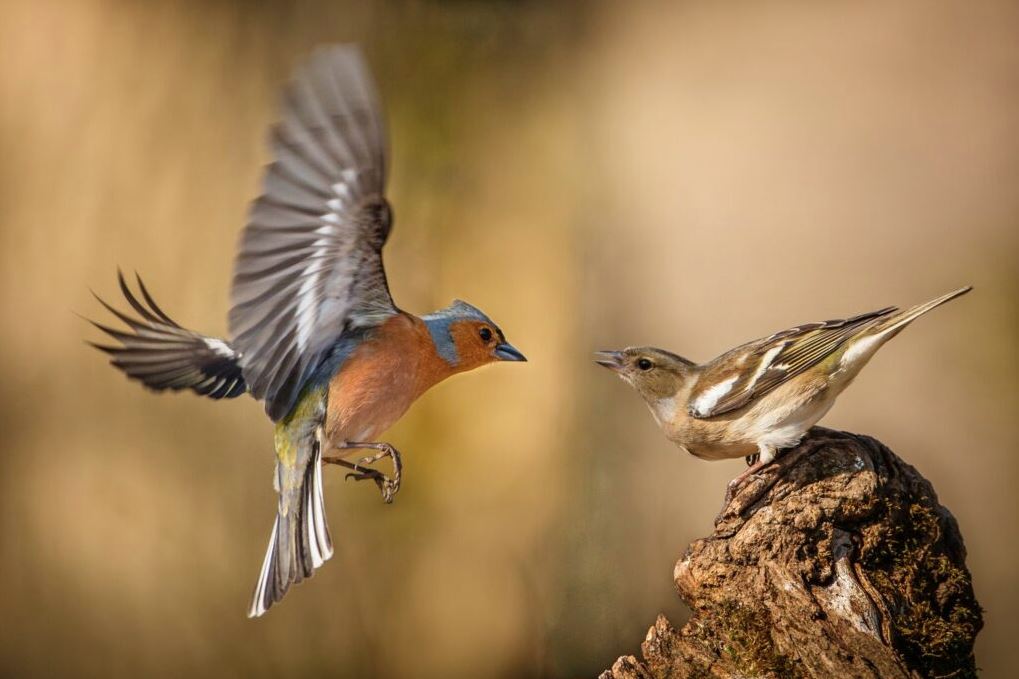
Birds behave according to instincts shaped by thousands of years of environmental adaptation. Many species developed complex social structures where communication, flock safety, and shared awareness ensured survival. Even domesticated birds retain these instincts. A parrot calling loudly from another room is not misbehaving. It is performing a contact call, a natural behavior used to maintain connection with flock members. When birds call out and receive reassurance, they feel secure. Ignoring these calls can cause anxiety because the bird interprets silence as potential separation or danger.
Another foundational instinct involves movement. Birds evolved for sustained or short burst flight, depending on the species. They express this need through wing stretching, climbing, hopping, and active exploration. In captivity, birds adapt by finding alternative ways to move when flight space is limited. Providing climbing structures, swings, ropes, and perches encourages natural movement. These structures support balance, muscle tone, and emotional stability. When birds cannot express movement instincts, they may develop restlessness or repetitive behaviors that reflect unmet needs.
Territorial instinct also plays an important role. Birds often claim specific perches or preferred areas of their enclosure. This does not indicate aggression. It reflects natural boundaries that help them feel secure. Respecting these boundaries helps reduce stress. Creating multiple zones within a cage or aviary allows birds to establish personal routines. These routines make their environment feel predictable and safe. By understanding how instincts shape behavior, caregivers build a more compassionate approach to avian care.
Understanding Avian Communication
Birds communicate through a rich combination of vocalizations, body language, feather positioning, and subtle changes in posture. Each sound carries meaning. Soft chirps may show contentment, while sharp, repeated calls may signal alertness. Parrots often mimic human voices not simply for amusement but as an extension of their natural communication repertoire. Mimicry reflects social engagement and cognitive interest. When birds mimic sounds from their environment, they weave those sounds into their communicative world.
Feather positioning provides valuable insight into mood. Fluffed feathers may indicate comfort and warmth, especially during rest. Sudden puffing accompanied by stiff posture may show annoyance or defensiveness. Sleek, smooth feathers often reflect alertness or curiosity. The crest feathers on cockatiels, cockatoos, and certain parrots act as clear emotional indicators. A raised crest can show excitement or surprise. A half raised crest often expresses curiosity. A lowered crest shows relaxation. Observing these patterns helps decode emotional states more accurately.
Eyes also communicate meaning. Some birds display rapid pupil dilation and constriction when excited or focused. This phenomenon, often called flashing, occurs during intense interest, playfulness, or agitation. Understanding the context helps interpret whether the emotion is positive or negative. Combined with vocal cues, feather patterns, and posture, eye behavior creates a full picture of what the bird is experiencing. Clear communication builds trust, reduces misunderstandings, and strengthens the bond between bird and caregiver.
Environmental Structure and Habitat Design
A comfortable environment is central to avian health. Birds require enclosures that allow movement, exploration, rest, and sensory stimulation. Cage size should reflect the bird’s wingspan, activity level, and personality. Larger enclosures provide more opportunity for natural behaviors. However, enclosure size is only one part of habitat design. Perch variety, material diversity, and thoughtful layout all contribute to well being. Perches should vary in diameter and texture to support foot health. Smooth dowels create pressure points, while natural branches offer more comfortable grip diversity.
Height plays an important role. Many birds feel safer when perches are placed above eye level. Elevated perches help birds observe their surroundings and retreat from activity when they need quiet. Designing the enclosure vertically supports this instinct. Placing resting areas higher and play zones lower creates a natural flow. Positioning food and water away from sleeping areas maintains cleanliness and encourages movement throughout the enclosure.
Light quality influences avian behavior, appetite, and mood. Birds evolved under natural sunlight cycles that guide sleep patterns and hormonal rhythms. Full spectrum indoor lighting that supports circadian regulation can help maintain stable emotional health. Too much artificial light disrupts sleep and increases stress. Allowing a consistent day to night rhythm helps birds feel grounded. When lighting respects natural cycles, birds behave more calmly and show healthier vocal and physical patterns.
Nutrition, Hydration, and Digestive Health
Birds require balanced nutrition that reflects species specific needs. Many birds thrive on a combination of formulated pellets, fresh vegetables, leafy greens, and occasional fruits. Seeds can be part of the diet but should not dominate. Excessive seed consumption leads to nutritional imbalances that affect skin, feathers, and internal organs. Pelleted diets provide controlled nutrition, but variety remains essential. Offering multiple food textures and colors helps stimulate interest and prevents boredom during meals.
Fresh water is essential for hydration and digestive function. Birds often drink frequently throughout the day. Water bowls should be cleaned daily to prevent bacterial growth. Some birds prefer drinking from elevated containers because they feel safer at higher vantage points. Observing drinking habits helps detect early signs of illness. A sudden decrease in water consumption may signal digestive discomfort or stress. Providing clean water consistently supports long term health.
Digestive health depends on food quality and environmental stability. Birds that receive balanced diets with fiber rich fresh foods experience healthier digestion. Leafy greens and vegetables support hydration and nutrient absorption. Improper diets can cause digestive irregularities that affect behavior and energy levels. Understanding nutritional needs guides better feeding routines and helps maintain consistent energy and emotional stability. Caregivers who prioritize thoughtful nutrition create a foundation for long term health.
The Emotional World of Birds
Birds experience emotions with surprising depth. Many species form strong social bonds that extend beyond simple companionship. Birds remember routines, show affection through gentle contact, and express joy through vocalization. A bird that chooses to perch on a caregiver’s shoulder expresses trust. A bird that preens its caregiver’s hair engages in social grooming behavior. These gestures reflect comfort and belonging. Recognizing emotional expression increases closeness and stability within the relationship.
Some birds rely strongly on predictable routines. Familiar rhythms help them feel secure. Sudden disruptions may cause anxiety. Maintaining consistent feeding times, play sessions, and resting periods reduces stress. Birds interpret consistency as safety because it mirrors stable flock patterns. Even small changes in routine should be introduced gradually to support emotional balance. When change occurs with patience, birds adapt more smoothly.
Social interaction remains essential. Birds benefit from gentle conversation, eye contact, and soft gestures. Many birds enjoy interactive play that stimulates their mind and strengthens connection. Talking, singing, or reading aloud creates a soothing environment. These activities nurture emotional bonding. Birds that feel seen and understood respond with calmer behavior and greater confidence. Emotional awareness becomes a cornerstone of healthy avian care.
Enrichment and Mental Stimulation
Birds require regular enrichment to support cognitive health. Their intelligence drives curiosity and exploration. Without stimulation, birds may develop repetitive behaviors, vocal frustration, or withdrawal. Enrichment takes many forms. Toys that encourage problem solving, foraging boxes that mimic natural food searching, and rotating play items all provide mental engagement. When birds interact with enrichment materials, they express instinctive behaviors that support emotional and cognitive balance.
Foraging enrichment remains one of the most effective tools. In nature, birds spend a significant portion of the day searching for food. Replicating this pattern encourages mental activity and reduces boredom. Placing food inside safe containers, shreddable materials, or puzzle devices encourages exploration. Birds that forage show improved confidence and healthier activity patterns.
Sensory enrichment also supports well being. Music, natural sounds, or gentle ambient noise can create a calming environment. Rotating enrichment sources every few weeks provides novelty without overwhelming the bird. When enrichment reflects natural behavior and emotional needs, birds respond with greater comfort, curiosity, and vitality.
Health Awareness and Responsible Care
Bird health depends on proper diet, clean environments, balanced light cycles, and regular observation. Many health issues show early signs through subtle changes in appearance or behavior. A bird that sits with fluffed feathers all day may be experiencing discomfort. A bird that stops vocalizing may feel stress. Early intervention reduces risk and improves recovery. Caregivers who notice small changes support better long term health.
Clean living spaces reduce stress and illness. Removing waste regularly, providing clean water, and maintaining proper ventilation keep environments stable. Birds thrive in spaces that feel fresh and predictable. Stagnant air or dirty surfaces affect respiratory health. A clean enclosure also reduces bacterial growth and supports stronger immune function. Clean spaces reflect respect for the bird’s well being.
Long term care requires patience, observation, and commitment. Birds can live many years depending on the species. Some parrots live for decades. Understanding lifespan and long term needs ensures that the caregiver provides consistent support. Responsible care honors the bird’s instincts, emotional world, and need for stable environments. This approach leads to a peaceful and fulfilling life shared between bird and human.