
Caring for Small Pets Through Understanding, Patience, and Gentle Environments
Small pets such as hamsters, guinea pigs, rabbits, gerbils, and similar companions require calm environments, predictable routines, and thoughtful enrichment. Their size often makes their needs less obvious, but their instincts, emotional worlds, and environmental sensitivities remain just as important as those of larger animals. This page explores their behavior, housing, nutrition, enrichment, and care in depth.
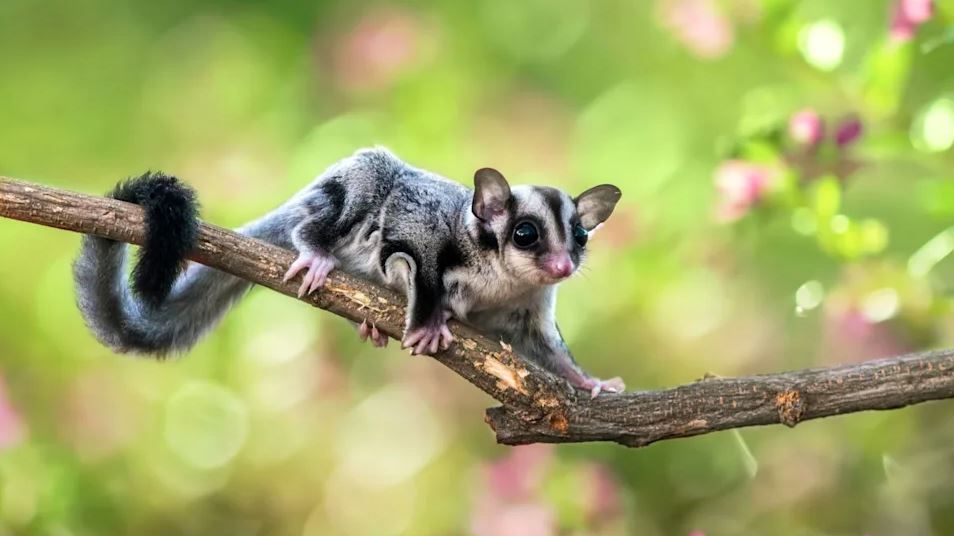
The Instinctive Worlds of Small Pets
Small pets behave according to instincts shaped by life in complex natural habitats. Many small animals evolved in environments with abundant hiding places, layered vegetation, and extensive ground tunnels. These instincts remain strong even in captive environments. A hamster burrowing into bedding does not simply play. It expresses an instinctive need for security. A rabbit thumping the ground signals heightened awareness of possible danger. A guinea pig freezing in place shows its natural response to unfamiliar stimuli. These instincts guide how small pets interact with their surroundings and how they communicate emotionally.
Understanding these instincts supports more compassionate care. Small animals that hide frequently are not necessarily fearful. Hiding provides comfort and helps regulate their emotional state. Offering enclosed spaces, tunnels, huts, and burrow friendly bedding respects this instinct. When these shelter options remain stable and accessible, small pets show calmer behavior. They navigate their environment with greater confidence because they know they can retreat when necessary.
Prey instincts also shape behavior. Many small animals evolved to stay alert for predators. Sudden movements, loud sounds, or unfamiliar scents can trigger natural responses such as freezing, running, or hiding. These reactions are not signs of aggression or distrust. They reflect a survival mechanism. Recognizing these behaviors helps caregivers create calmer environments. Soft voices, gentle movements, and controlled noise levels help reduce defensive responses and support emotional well being.
Communication and Social Behavior
Small pets communicate in ways that require careful observation. Guinea pigs use a rich variety of vocalizations. They squeak when excited, rumble when asserting dominance, and chirp softly when exploring. Rabbits communicate through subtle movements of ears, whiskers, and posture. A relaxed rabbit rests its body in a loaf shape. An uneasy rabbit keeps muscles taut and ears forward. Hamsters communicate through scent marking, body posture, and exploration patterns. Each species expresses social needs differently.
Social structure varies widely. Guinea pigs thrive in social groups and feel distressed when isolated. Their emotional health depends on companionship. Rabbits also benefit from bonded partners that share grooming and resting routines. Hamsters, particularly Syrian hamsters, require solitary habitats due to territorial instincts. Gerbils live peacefully in small groups but require careful introductions to avoid conflict. Understanding social preference prevents stress and supports emotional balance.
Body language remains a crucial part of communication. Small pets express comfort, fear, excitement, and curiosity through posture, movement, and sound. Learning these cues helps caregivers interpret needs more effectively. Gentle interaction, slow bonding processes, and predictable routines build trust. When small pets feel understood, they behave with greater confidence and stability.
Designing Safe and Enriching Habitats
Habitat design shapes the daily experience of small animals. A well designed habitat mimics natural spaces with opportunities for exploration, hiding, and resting. Bedding depth should support digging and burrowing. Tunnels, huts, hideouts, and platforms create layers of comfort. Ensuring multiple hiding spots reduces territorial conflict by offering shared and individual spaces. The enclosure should allow natural behaviors such as gnawing, nesting, running, and climbing. Each of these behaviors keeps the animal mentally and physically engaged.
Proper ventilation supports respiratory health. Enclosures that restrict airflow can create stagnant air that leads to discomfort. Balanced airflow paired with stable temperatures helps small animals regulate body heat more effectively. Temperature fluctuations stress their delicate systems. Keeping enclosures away from direct sunlight, drafts, and noise sources helps maintain emotional balance. Consistency in the environment supports long term well being.
Space allocation should reflect species needs. Rabbits require large habitats that allow running and hopping. Hamsters benefit from expansive floorspace filled with enrichment. Guinea pigs require room to explore and socialize. Vertical enrichment benefits species that enjoy climbing, while horizontal space benefits those that prefer ground level movement. Considering these preferences ensures healthier and happier animals. A well structured habitat respects instinct and promotes comfort.
Nutrition, Hydration, and Digestive Considerations
Nutrition supports long term health and energy. Rabbits require high fiber diets dominated by hay. Hay supports digestive movement and dental health. Guinea pigs require vitamin C in their diets because they cannot synthesize it naturally. Fresh vegetables and fortified pellets provide this essential nutrient. Hamsters thrive on mixes that provide seeds, grains, protein sources, and fresh produce in moderation. Each species has dietary limitations that must be respected to prevent digestive issues or nutrient imbalances.
Hydration plays a central role in well being. Clean water should be provided daily. Some small pets prefer sipper bottles while others drink more comfortably from bowls. Observing individual preference helps ensure consistent hydration. Water sources should remain clean and accessible at all times. Fresh vegetables contribute additional hydration but should not replace clean drinking water. Maintaining hydration supports digestion, energy levels, and general comfort.
Digestive systems of small pets are sensitive. Sudden dietary changes can cause discomfort. New foods should be introduced gradually. Monitoring stool quality provides insight into digestive health. Consistency, texture, and color reveal important signals about diet effectiveness. When digestive patterns remain stable, small pets feel more comfortable and active. Thoughtful nutrition creates a foundation for long term wellness and behavioral stability.
Enrichment and Mental Stimulation
Enrichment supports emotional health and natural behavior. Small animals benefit from exploring new textures, scents, shapes, and spaces. Chew toys satisfy instinctive gnawing needs and help maintain dental health. Rotating toys every few weeks provides novelty without overwhelming the animal. Hiding food within safe materials encourages foraging behavior and mental stimulation. Foraging mirrors natural food searching patterns, providing a calming yet engaging activity.
Exercise wheels benefit hamsters when properly sized. Wheels should be large enough to prevent arching of the back. Solid running surfaces avoid injuries to feet. Gerbils also enjoy wheels and climbing structures that support their energetic nature. Rabbits benefit from tunnels, digging boxes, and safe exercise areas where they can run freely. Guinea pigs enjoy cozy hideouts, floor time in safe spaces, and tunnels that encourage exploration. Matching enrichment to species specific needs drives better outcomes.
Sensory enrichment further supports mental engagement. Safe scents such as natural herbs, hay varieties, or safe woods encourage exploration. Soft background sounds or gentle conversation create calming environments. Providing consistent enrichment at a manageable pace allows small pets to explore without stress. When enrichment is balanced and thoughtful, small pets display healthier activity patterns and emotional stability.
Health Awareness and Long Term Care
Health awareness plays a vital role in caring for small animals. Because they hide signs of illness instinctively, early detection requires careful observation. Changes in movement, appetite, grooming habits, respiration, or social interaction may signal discomfort. Noticing these subtle shifts allows caregivers to offer timely support. Early intervention reduces stress and promotes recovery.
Clean habitats support health. Bedding should be replaced regularly to prevent buildup of odors or bacteria. Fresh air circulation reduces respiratory risk. Clean water, sanitized dishes, and organized spaces contribute to comfort and stability. Maintaining a clean environment reflects respect for the animal’s delicate systems. Small animals thrive in spaces that smell fresh, feel stable, and support natural movement.
Long term care requires commitment and patience. Many small pets live several years with proper care. Responsible caregivers provide stable routines, gentle interaction, thoughtful enrichment, and clean environments. Respecting instinctive behaviors creates trust. Trust allows small animals to feel secure and express natural behaviors with confidence. When care aligns with instinct, small pets enjoy healthier and more peaceful lives.