
Feline Behavior, Instinct, and Care Through a Thoughtful Lens
Cats have long fascinated people because they balance independence with profound emotional sensitivity. Their quiet intelligence and subtle communication shape every moment they spend with their human families. This page goes deep into feline behavior, instinct, nutrition, enrichment, and emotional well being so readers can build stronger and more peaceful relationships with their cats.
The Foundations of Feline Instinct
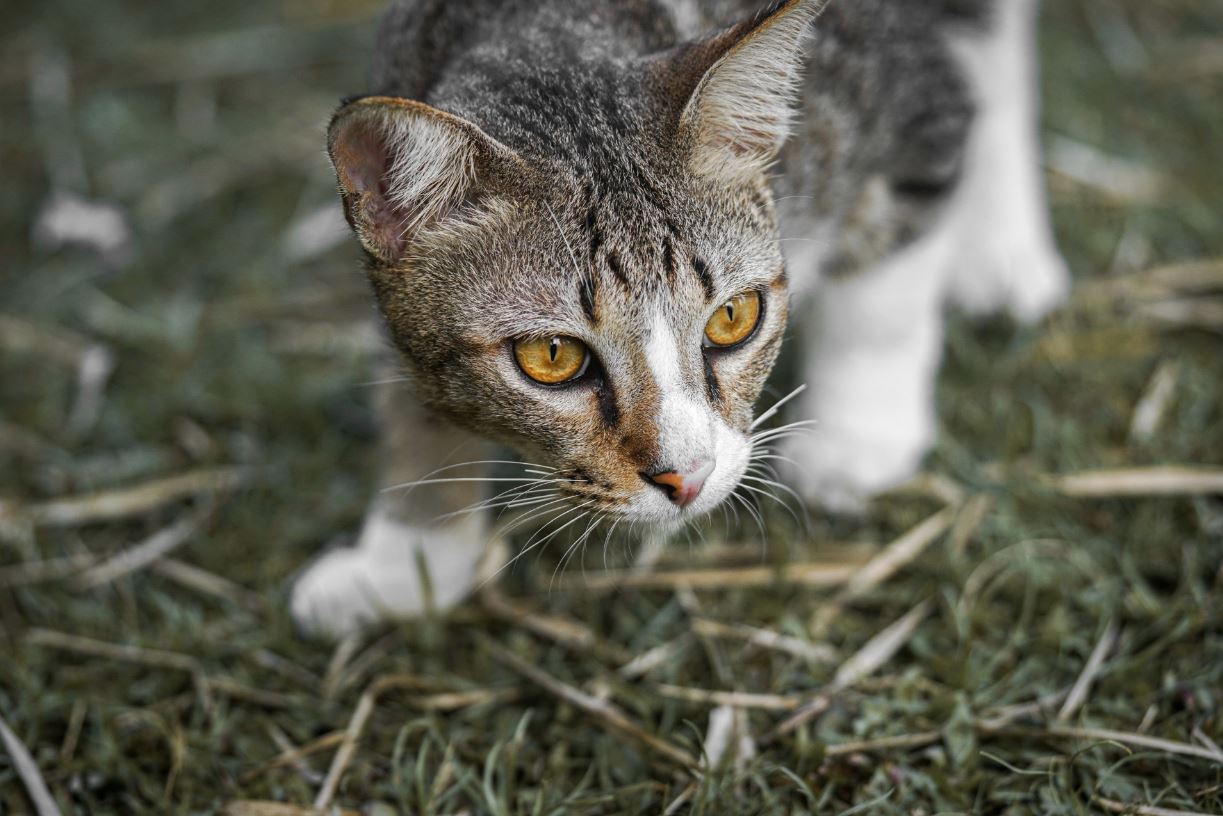
Cats navigate the world through a blend of instinctive patterns developed over thousands of years. These instincts become the foundation of their daily routines, and understanding them makes caregiving more intuitive. One of the strongest feline instincts relates to territory. Cats explore and map their environment using scent, sight, and the feel of surfaces. They rub their cheeks on furniture not to claim ownership but to build familiar scent trails that help them feel secure. When those scent trails remain stable, they show more confidence and fewer signs of stress. If scents change too often, cats may behave unpredictably or withdraw into hiding.
Another instinct revolves around hunting behavior. Even the calmest indoor cat retains a need to stalk, pounce, and capture. These actions are not signs of aggression. They reflect a deeply rooted behavioral cycle. Many household behavioral issues stem from an unfulfilled hunting pattern. Providing structured play sessions that mimic the stalk and chase sequence helps a cat release energy, express natural instincts, and prevent frustration. This approach reduces unwanted behaviors like nighttime zooming or object knocking. It also strengthens the relationship between cat and human because the play becomes a shared ritual.
A third major instinct is related to self preservation. Cats seek elevated vantage points to observe the environment from a position that feels safe. This preference influences how they use furniture, window ledges, and shelves. A cat jumping onto a table is not making a statement. It is satisfying an instinct to view the area from a secure height. Offering cat trees or designated vertical spaces helps redirect those instincts in a positive direction. These structures also create personal zones where the cat can retreat when the home becomes noisy or busy. Respecting these instincts supports emotional balance.
Understanding Communication Through Body Language
Feline communication relies heavily on posture, movement, and subtle shifts in energy. A cat’s tail position provides significant information about emotional state. When a tail stands upright with a slight curve, the cat feels friendly and secure. A lowered tail or a tail tucked tightly between the legs expresses fear. A rapidly flicking tail usually means the cat is agitated or overstimulated. These signals help humans respond with awareness instead of confusion. Observing these patterns strengthens trust because the cat feels recognized and understood.
Eyes also reveal much about a cat’s mood. Slow blinking serves as a social signal that expresses comfort and affection. Many cats offer slow blinks to people they trust deeply. In return, slow blinking back helps reinforce that bond. Dilated pupils can indicate excitement, curiosity, or fear depending on context. Narrowed pupils often accompany focused attention or irritation. When caregivers watch both tail and eyes together, they read emotional cues more accurately. These cues guide them in creating calmer interactions.
The position of ears is equally important. Forward facing ears show interest and curiosity. Ears that swivel sideways suggest uncertainty. Ears flattened backward express defensive tension or fear. When a cat flattens its ears, it communicates a clear boundary. Respecting that boundary prevents conflicts and helps the cat feel safer in future interactions. Learning these signals allows humans to navigate a cat’s world with empathy. When communication improves, routines feel smoother and more harmonious.
Creating a Stable and Enriching Environment
Cats thrive in environments that offer predictability balanced with gentle stimulation. Stability provides emotional comfort, while enrichment creates mental engagement. One of the easiest ways to build stability is through routine. Feeding, playtime, resting periods, and grooming should follow consistent patterns. These predictable anchors help cats feel secure because they know what to expect each day. This predictability reduces anxiety, particularly for cats that startle easily or have shy temperaments. It also helps multi cat households remain peaceful.
Environmental enrichment includes any adjustment that stimulates a cat’s senses. Visual enrichment may include window views of birds, passing clouds, or moving shadows. Auditory enrichment might involve soft nature sounds or the gentle hum of a quiet room. Textural enrichment comes from scratching posts, rugs, and varied materials. Rotating enrichment items every few weeks keeps the environment interesting without overwhelming the cat. When enrichment is thoughtful and paced, the cat remains mentally stimulated without feeling overstimulated. This balance supports long term well being.
Another essential element of environment design is scent. Cats depend on scent for emotional grounding. Introducing new scents too quickly causes confusion. Allowing the cat to spread its own natural scent across the environment maintains stability. Items like bedding, favored blankets, and well used scratching posts help maintain a familiar scent profile. If the home undergoes changes, preserving a few scent anchors helps the cat adjust more smoothly. These strategies form a foundation for emotional balance.
Nutritional Needs and Feeding Practices
Nutrition plays a central role in feline health. Cats have dietary needs that differ significantly from other companion animals. They require certain amino acids like taurine and arginine for heart health and metabolic stability. A balanced diet also includes controlled levels of fats, proteins, vitamins, and minerals. Feeding practices should honor both nutritional science and behavioral patterns. Cats naturally prefer multiple small meals rather than large scheduled feedings. This preference reflects their ancestral hunting cycles where they consumed small prey several times a day. Offering several small meals or using timed feeders supports natural rhythms.
Hydration is equally important. Many cats do not drink enough water because they evolved to obtain moisture through prey. Encouraging hydration through multiple water stations prevents issues like urinary discomfort or kidney strain. Some cats prefer running water because the movement captures their attention and feels fresher. Placing water bowls away from food bowls also helps because cats instinctively avoid water sources near prey. This instinct exists because natural prey could contaminate water sources in the wild. Respecting this instinct helps cats maintain healthier hydration habits.
Portion control protects against unnecessary weight gain. Many indoor cats are prone to weight gain due to a lack of hunting activity. Measuring portions supports overall health, prolongs lifespan, and reduces the risk of chronic diseases. Understanding a cat’s nutritional needs allows caregivers to make informed choices. These choices shape energy levels, mood, and long term well being.
Emotional Health and Bonding
A cat’s emotional health influences every aspect of behavior. Cats form deep bonds with their human families even though they show affection in ways that differ from dogs. Their subtle gestures express trust, comfort, and connection. One way cats express affection is through kneading. This rhythmic pressing of paws reflects early kittenhood comfort. Another sign of affection occurs when a cat chooses to lie near or on their person. Proximity becomes an emotional gesture that communicates safety and trust. Recognizing these cues deepens the bond between human and cat.
Play also supports emotional health. Structured play sessions give cats a safe outlet for energy and instinctive behavior. They help prevent boredom and frustration. Cats that receive thoughtful play sessions tend to be more relaxed and confident. Play also strengthens trust. During play, the cat and human engage in shared focus. The cat interprets this shared focus as a positive social experience. Over time, these moments build strong emotional associations. The rhythm of daily play becomes a meaningful part of the relationship.
Respect is central to emotional well being. Cats appreciate choice. Allowing them to initiate affection, explore, or retreat reduces stress and builds confidence. When caregivers respect boundaries, the cat feels recognized and valued. This recognition improves social harmony and deepens trust. Bonding with a cat becomes a slow and rewarding process. The connection grows through consistency, patience, and understanding. These qualities create a peaceful environment where cats thrive emotionally.
Health Awareness and Preventive Care
Health awareness makes a significant difference in a cat’s quality of life. Recognizing subtle changes in behavior or physical condition can help caregivers identify potential issues early. Cats often hide discomfort because this instinct offered protection in the wild. Modern caregivers must therefore pay attention to small shifts. Changes in appetite, litter box habits, grooming frequency, or vocalization patterns can signal discomfort. Early detection often leads to simpler interventions and less stress for the cat.
Preventive care includes routine exams, dental care, and appropriate vaccinations. Dental health influences overall comfort more than many realize. Cats may tolerate mild dental discomfort without showing obvious signs. Over time, this discomfort affects eating habits, energy levels, and general well being. Gentle brushing or the use of dental products designed for cats helps maintain oral health. Vaccinations protect cats from preventable diseases that still exist in many regions. These proactive steps create a foundation for long term wellness.
Environmental health also plays a role in preventive care. Clean living areas, fresh air, safe materials, and proper lighting support biological balance. Cats feel calmer in spaces that are organized and where items have designated places. Reducing clutter allows cats to move freely and safely. Taking these steps supports a healthier emotional and physical environment. When the home environment aligns with natural feline rhythms, the cat enjoys a more comfortable and secure life.