
Understanding Reptiles Through Habitat Design and Natural Instinct
Reptiles perceive the world through subtle cues of temperature, light, scent, and environmental structure. Their needs differ greatly from mammals, and their care requires an understanding of instinct and habitat design. This page explores reptile behavior, enclosure planning, nutrition, enrichment, biology, and long term well being with clarity and depth.
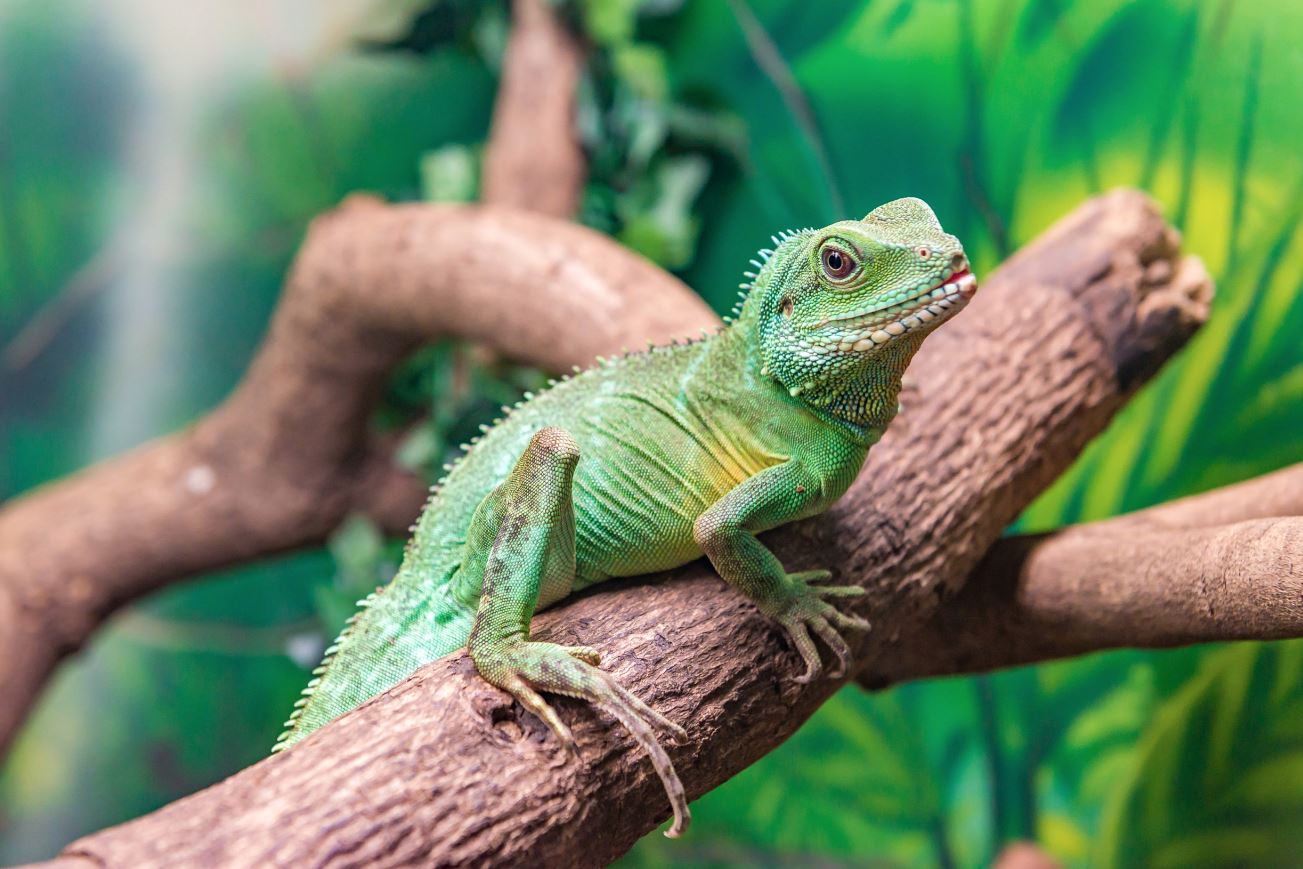
The Unique Nature of Reptile Instinct
Reptiles operate through instincts shaped by millions of years of adaptation to specific environments. Unlike mammals that regulate body temperature internally, reptiles depend on external heat sources to stabilize biological functions. This dependency influences their movement patterns, feeding habits, and daily behavior. When a reptile seeks warmth, it is not simply looking for comfort. It is pursuing a biological requirement that supports digestion, mobility, and immune activity. Temperature directly influences metabolic rate. When reptiles receive stable access to heat gradients, they behave more naturally and maintain healthier rhythms.
Another key instinct relates to shelter seeking. In nature, reptiles rely on secure hiding spots to stay safe from predators and environmental extremes. They move between open basking areas and shaded retreats throughout the day. When these patterns are missing in captivity, reptiles experience stress that affects both body and mind. Providing multiple hiding locations reduces this stress and helps reptiles feel secure. The instinct to hide is not a sign of fearfulness. It is a normal behavior that supports emotional stability and biological balance.
Territorial instinct also influences reptile behavior. Some reptiles guard specific areas where heat, visibility, or resources are optimal. Territoriality varies widely depending on species. For example, bearded dragons actively claim basking platforms while many snakes simply prefer consistent paths of travel. Observing these patterns helps caregivers design enclosures that respect the reptile’s natural flow of movement. When an enclosure supports instinctive behavior, reptiles become more active, responsive, and content.
Environmental Cues and Sensory Perception
Reptiles rely heavily on environmental cues to interpret the world. Temperature, humidity, airflow, and lighting provide essential information. A reptile evaluates conditions constantly to make decisions about movement, feeding, and rest. Temperature gradients allow reptiles to regulate metabolism by moving between warm and cool zones. Humidity levels influence shedding, respiratory well being, and hydration. Proper airflow prevents stagnant conditions that may cause health issues. These details form the foundation of reptile comfort and survival.
Lighting also plays a critical role. Many reptiles require ultraviolet light to synthesize essential vitamins. Without proper lighting, their bones weaken and metabolism becomes unstable. UVB light supports calcium absorption and skeletal development. Natural daylight cycles influence sleep patterns, appetite, and behavior. Recreating sunrise and sunset patterns through controlled lighting allows reptiles to experience a more natural rhythm. When lighting aligns with instinct, reptiles respond with greater activity and improved overall health.
Scent is another powerful cue. Reptiles use scent to identify territory, locate prey, and understand environmental conditions. Snakes flick their tongues to collect scent particles and analyze them through special receptors. Lizards interpret scent trails left by other reptiles. These behaviors demonstrate how important scents are for navigation and communication. Understanding sensory perception helps caregivers create environments that feel familiar to reptiles rather than sterile or disconnected.
Designing a Habitat That Supports Natural Behavior
Habitat design is central to reptile care. A proper enclosure should replicate the reptile’s natural environment as closely as possible. This includes temperature zones, humidity gradients, hiding spaces, climbing structures, and appropriate substrate. The enclosure should offer both horizontal and vertical movement based on species needs. Arboreal reptiles require tall structures with branches and platforms. Terrestrial reptiles require ground space with stable footing and tunnels. Aquatic or semi aquatic reptiles need access to clean water for swimming and soaking.
Temperature gradients play a central role in habitat design. Every reptile enclosure needs warm basking areas and cooler retreat zones. These gradients allow reptiles to regulate body temperature through natural movement. Without gradients, reptiles cannot achieve stable biological function. Heating elements should mimic natural warmth without causing burns. Using thermostats, regulated lamps, or ceramic heat emitters helps maintain consistency. Observing how the reptile moves within the enclosure reveals whether temperature zones meet their needs.
Humidity gradients are equally important. Some reptiles thrive in dry environments while others depend on tropical moisture. Proper humidity supports shedding, hydration, respiratory comfort, and skin health. Creating microclimates within the enclosure allows reptiles to self regulate. For example, a humid hide provides a dedicated space where moisture levels remain higher. These design elements respect natural instinct and give reptiles control over their environment.
Nutrition and Feeding Approaches
Reptile nutrition varies widely across species. Some reptiles are strict carnivores. Others are herbivores or omnivores. Understanding nutritional needs prevents deficiencies and supports proper growth. Carnivorous reptiles require prey items that provide balanced proteins, fats, vitamins, and minerals. Feeder insects should be gut loaded to improve nutritional value. Herbivorous reptiles require a diet rich in leafy greens and specific vegetables. Omnivorous reptiles benefit from a mixture of plant and animal nutrition. Providing variety prevents boredom and ensures consistent nutrient intake.
Feeding practices should also reflect natural patterns. Some reptiles prefer to hunt moving prey. Others prefer stationary food. Feeding at the correct temperature ensures digestion occurs efficiently. A reptile cannot digest food properly if its body temperature is too low. Understanding this connection helps caregivers avoid common problems such as regurgitation or poor appetite. Observing feeding behavior also reveals health information. A sudden change in appetite may signal stress, environmental imbalance, or illness. Early detection allows for quicker intervention and improved outcomes.
Supplementation supports nutritional balance. Many reptiles require calcium to maintain bone strength. Others need vitamins to support metabolism. Supplements should be used carefully based on species requirements. Over supplementation can be as harmful as deficiencies. Caregivers who research species specific needs build a strong foundation for long term health. Nutrition remains one of the most influential aspects of reptile well being, and small adjustments often make significant differences.
Behavioral Enrichment and Mental Stimulation
Reptiles benefit from enrichment even though their behavior appears less expressive than that of mammals. Enrichment supports natural instincts and provides mental engagement. Simple changes can make an enclosure more stimulating. Adding climbing structures, rearranging decor, or introducing new textures encourages exploration. Rotating items every few weeks provides novelty without overwhelming the reptile. Enrichment helps prevent stress caused by monotony. While reptiles may not show boredom in obvious ways, they respond positively to thoughtful environmental changes.
Scent enrichment is particularly effective. Introducing natural scents allows reptiles to investigate and interpret new information. Safe, species appropriate scents trigger instinctive exploration. Visual enrichment can also be helpful. Some reptiles enjoy observing movement outside the enclosure, while others prefer visual barriers that provide a sense of security. Understanding the preferences of the specific reptile ensures that enrichment enhances comfort rather than causing stress.
Consistency supports long term well being. Enrichment should not overwhelm or overload the reptile. A balanced approach that combines stability with periodic novelty works best. This approach aligns with reptiles’ natural rhythms. When enrichment is done thoughtfully, reptiles become more active, responsive, and confident. These improvements reflect healthier emotional and biological states.
Health Awareness and Responsible Care
Reptile health depends on environmental stability, proper nutrition, clean habitats, and regular observation. Many health issues stem from environmental imbalances such as incorrect temperatures, poor humidity control, or inadequate lighting. Observing the reptile daily provides early clues about discomfort. Changes in posture, movement, appetite, or shedding reveal important information. Quick action prevents minor issues from becoming serious problems. Responsible care means staying attentive, informed, and proactive.
Clean habitats support health. Enclosures should be cleaned regularly to remove waste, stale air, or accumulated bacteria. Substrate should be replaced or refreshed based on species needs. Water sources must remain clean to prevent infections. Proper ventilation prevents respiratory issues caused by stagnant air. When the environment stays clean and balanced, reptiles experience less stress and better immunity. The enclosure becomes a stable, healthy home rather than a source of instability.
Long term care requires commitment. Reptiles live for many years when cared for properly. Some species live several decades. Understanding the lifespan and needs of the reptile creates realistic expectations. Responsible care ensures that the reptile enjoys a comfortable, stable, and fulfilling life. When caregivers respect instinctive behavior, environmental cues, nutrition, and enrichment, reptiles thrive. The bond that grows becomes unique, built on gentle observation and mutual respect.